
Imperial identities and collecting science: the case(s) of the astrolabe in Europe at the turn of the twentieth century
Dr Sumner Braund (Curator of Founding Collections, History of Science Museum, University of Oxford)
16 November | 16:00-17:30 | Seminar Room 00.063, Schwarzman Centre for the Humanities
Collecting, as practised by Europeans in the late nineteenth and early twentieth centuries, formed both a deeply personal and public act. The Collector, in his or her choice of art and object, could signal social status, wealth, politics, and participation in an elite intellectual in-group – what one collected could have a profound effect on one’s social capital and mobility. In this period and practice of collecting, astrolabes, particularly those from the Islamic world, carried significant weight: they were prestigious, elusive instruments that represented a long tradition of contest between ‘European’ and ‘Islamic’ science. The ways in which European collectors displayed and publicised the astrolabes that they collected reveal that collecting these scientific objects was a powerful way to claim a public and private victory in this contest. Through a series of case studies, this paper will explore the negotiation of power and construction of identity that formed the heart of the exchange, collecting, or display of an astrolabe from the Islamic world in Europe at the turn of the twentieth century.
Dr Sumner Braund is the Curator of Founding Collections at the History of Science Museum at the University of Oxford. Her research interests include medieval astronomy, cross-cultural knowledge exchange, and the provenance of scientific instrument collections in museums. She has explored these interests in two research projects at the History of Science Museum, the Finding and Founding Project (2022-4) and Astrolabes and Diaspora: A New Model for Collaborative Provenance Research (2026).
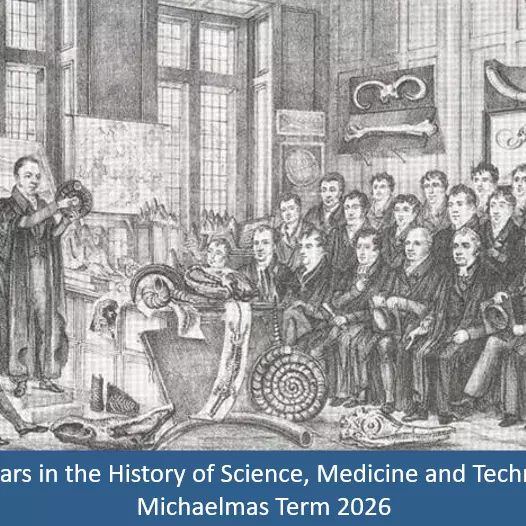
Download the complete list of seminars
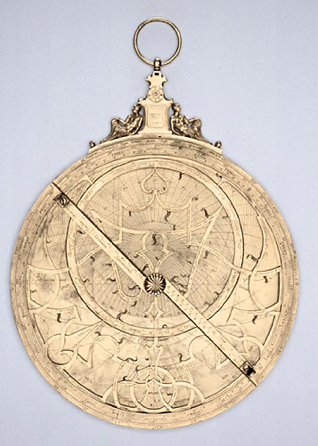
Astrolabe (inventory No 53558), History of Science Museum